
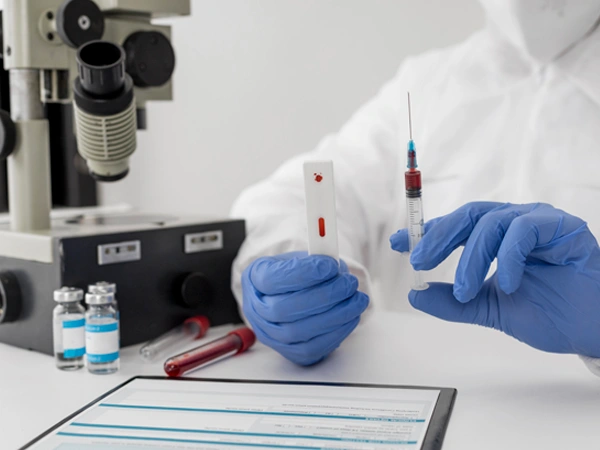
STD and HIV treatment in Delhi NCR begins with exposure timing, symptoms and appropriate testing. If you may have been exposed to HIV within the past 72 hours, seek urgent medical assessment now—PEP works best when started as soon as possible. For other concerns, a clinician can help plan appropriate testing and next steps while respecting privacy.
On this page
- STD and HIV treatment in Delhi NCR starts with assessment
- HIV exposure and PEP
- Testing is based on exposure and timing
- Support beyond testing
- Possible HIV exposure is time-critical
- A test plan depends on the exposure
- Timing and repeat testing matter
- Symptoms cannot identify every infection
- Ask about privacy and next steps
- Prevention can be part of the conversation
- In-depth guides
- Frequently asked questions
01STD and HIV treatment in Delhi NCR starts with assessment
STIs can have no symptoms, and symptoms alone cannot identify which infection is present. A history and clinically appropriate tests guide decisions. Ask how information and results are handled before testing; availability of specific tests should be confirmed directly.
02HIV exposure and PEP
PEP is emergency medicine after a possible HIV exposure. It must be assessed and started within 72 hours, sooner is better. Do not wait for a routine clinic appointment: contact an emergency service or qualified urgent-care provider now.
03Testing is based on exposure and timing
Different infections and tests have different window periods. A negative result too soon after exposure may need repeat testing. Our guide explains test types, timing and privacy questions to ask.
04Support beyond testing
The clinic describes integrated Ayurvedic and allopathic care with personalized treatment planning. Testing or treatment availability varies; confirm what is offered before travelling. For emergency symptoms, use urgent care rather than the clinic appointment line.
05Possible HIV exposure is time-critical
If a possible HIV exposure occurred within the past 72 hours, seek urgent assessment now and ask about post-exposure prophylaxis (PEP). PEP works best when started as soon as possible. Go to an emergency department, government ART centre or qualified urgent-care service; do not wait for a routine appointment, symptoms or a reply from this website.
06A test plan depends on the exposure
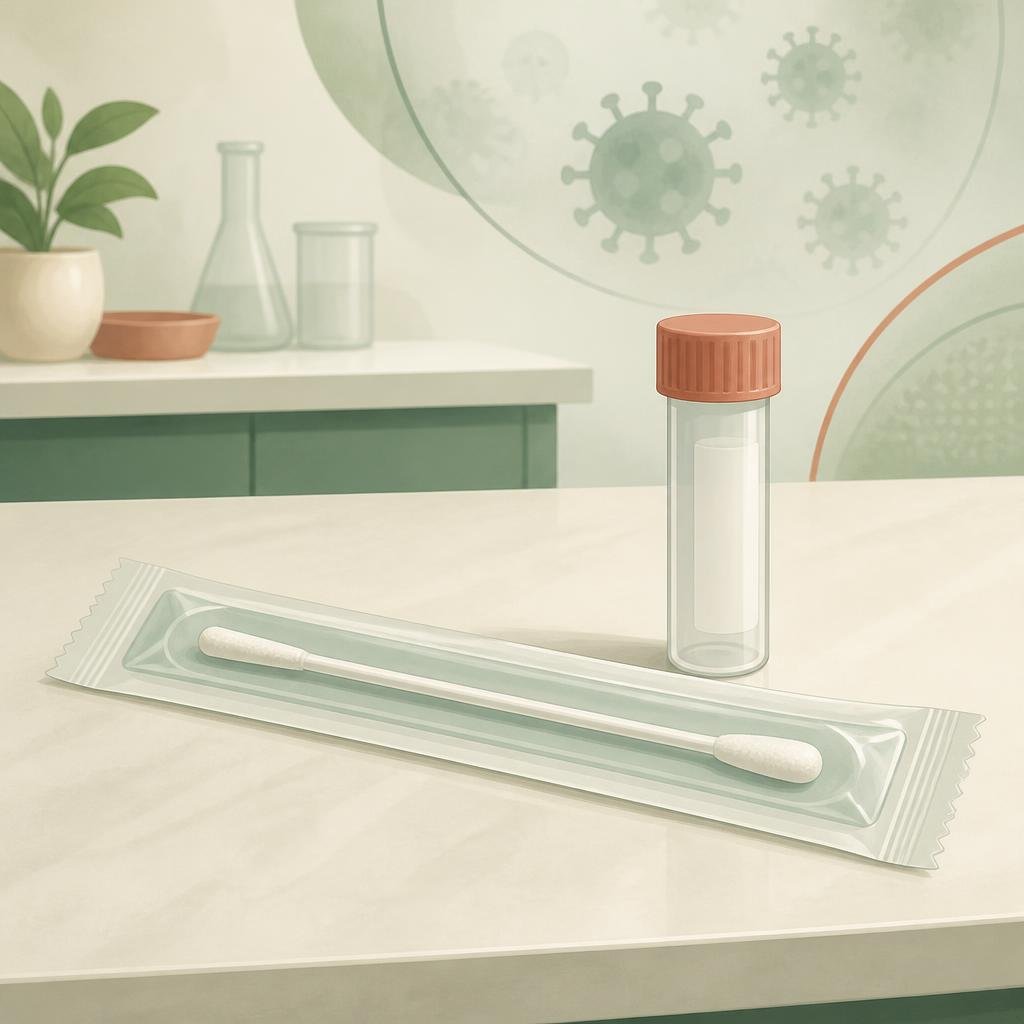
A clinician may ask when the exposure occurred, what kind of contact took place, which body sites may be involved and whether symptoms are present. Different infections require different tests and sample types. A broad panel is not automatically the right choice for everyone. Confirm the exact tests, price and result process with the provider before travelling.
07Timing and repeat testing matter
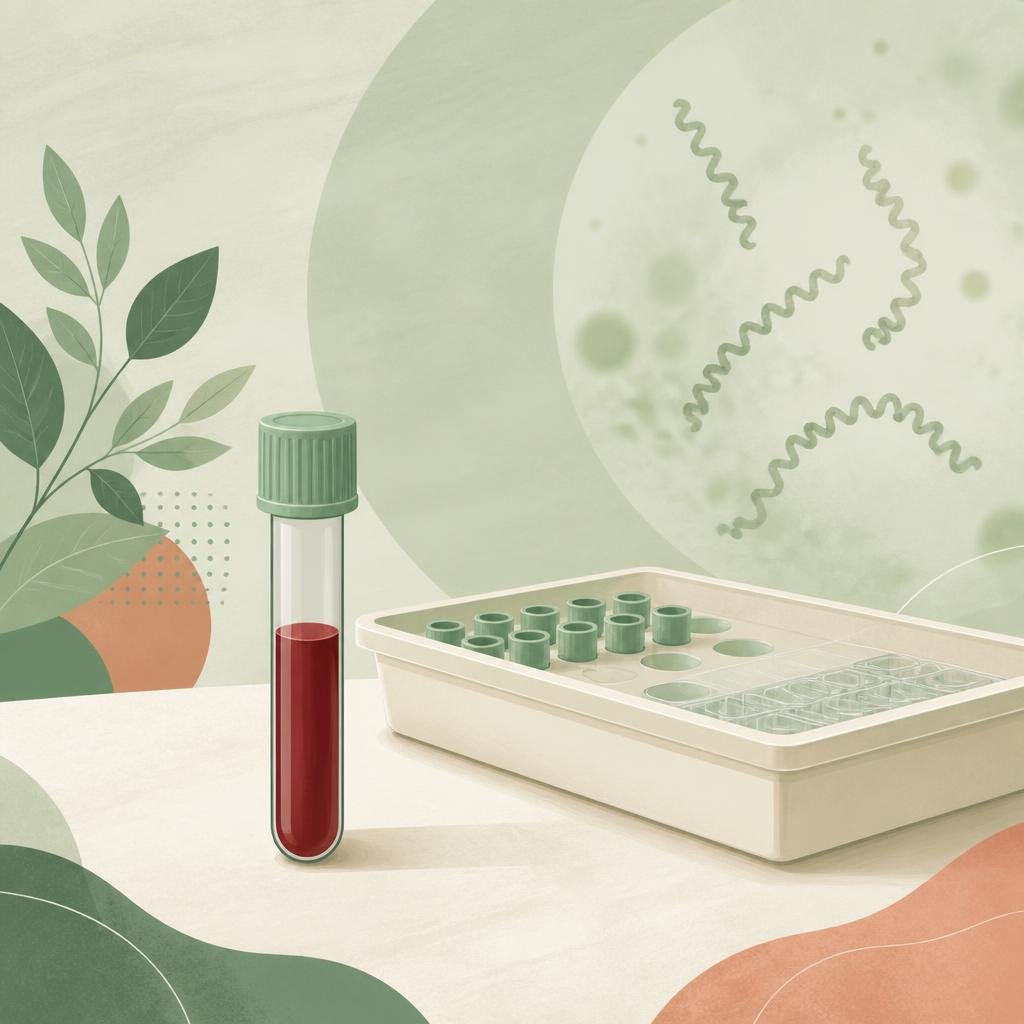
Each test has a window period: the time before it can reliably detect an infection. An early negative result may need to be repeated based on the test, exposure and clinical advice. Keep a record of dates and follow the testing schedule provided. Avoid interpreting a result outside its stated window without asking a qualified clinician.
08Symptoms cannot identify every infection
Some sexually transmitted infections cause no symptoms, while itching, sores, pain or discharge can have several possible causes. A clinician may recommend examination or testing rather than guessing from appearance. Avoid taking leftover antibiotics or another person’s medicine; the wrong treatment can cause harm and make diagnosis more difficult.
09Ask about privacy and next steps
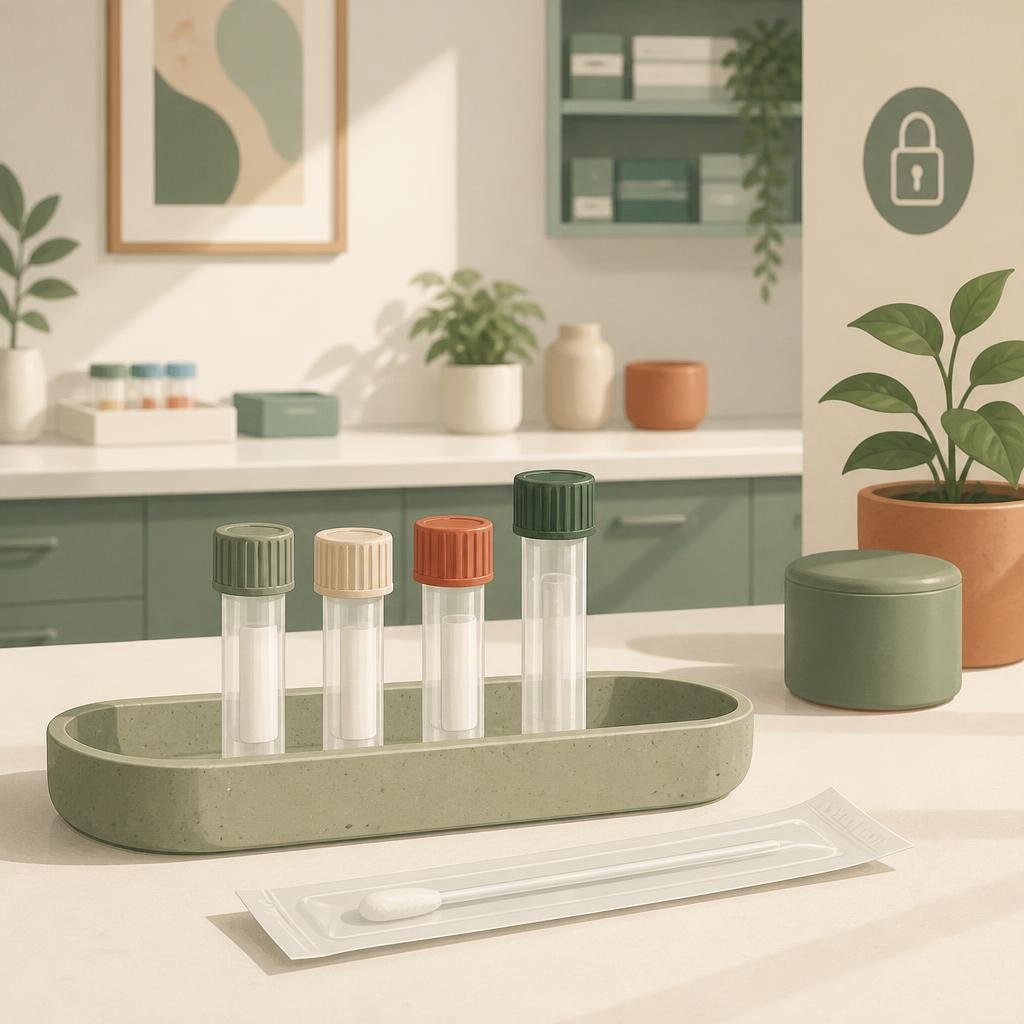
Before testing, ask who can see results, how they are shared, what identifying details are recorded and how follow-up is arranged. If a test is positive, ask what treatment is recommended, whether partners should be notified and when retesting is needed. Confidentiality practices vary by service, so confirm them directly.
10Prevention can be part of the conversation
Depending on circumstances, a clinician may discuss condoms, vaccination, HIV PrEP, testing intervals and ways to reduce exposure risk. These choices are personal and should be based on accurate information rather than judgement. PEP is for a recent possible exposure; PrEP is planned prevention before future exposure and requires medical supervision.
FAQFrequently asked questions
How soon should PEP be started?
As soon as possible and no later than 72 hours after a possible exposure. Seek urgent assessment now.
Can an STI be present without symptoms?
Yes. Some infections are asymptomatic, which is why assessment and testing may be appropriate after an exposure.
Can I confirm test availability by phone?
Yes, call the general clinic line to ask what services are currently available. Do not delay urgent PEP care to make this call.
Can I wait to see whether symptoms appear after an exposure?
No symptoms does not rule out an infection. Ask a qualified service about testing and timing; seek urgent PEP assessment if HIV exposure may have occurred within 72 hours.
Will one test detect all STIs?
No. Tests differ by infection, exposure site and timing. A clinician can explain which samples or repeat tests are appropriate.
Can this clinic confirm that a specific test is available?
Call the clinic to ask about current services, locations and fees. Do not delay urgent PEP care while waiting for a routine availability answer.
Should I take antibiotics before test results?
Do not self-medicate or use leftover antibiotics. Seek a clinical assessment so treatment can be selected for the suspected infection and appropriate follow-up.
iMedical sources
External links are for further reading and do not replace advice from a qualified health professional.
This page is general health information, not a diagnosis or personal treatment plan. For emergencies, go to the nearest hospital.
 HIV & STD
 HIV & STD
 HIV & STD
 HIV & STD
 HIV & STD
 HIV & STD
 HIV & STD
 HIV & STD
 HIV & STD
 HIV & STD
 HIV & STD
 HIV & STD
 HIV & STD
 Sexual health
 Sexual health
 Sexual health
 Sexual health