
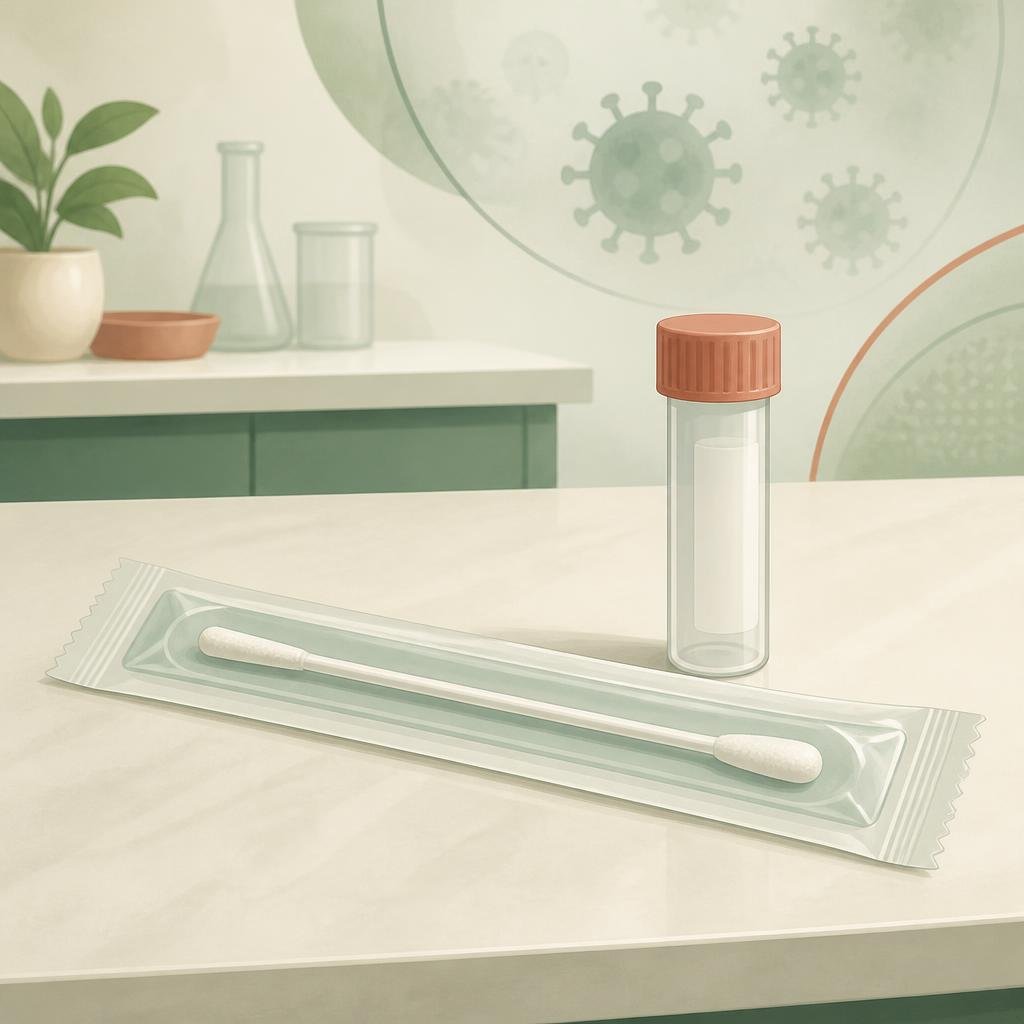
Herpes treatment in India focuses on symptom management, outbreak care and reducing transmission risk. Genital herpes is a common viral infection that can cause recurring blisters or sores, but symptoms vary and may be absent. Antiviral medicines can help manage episodes for some people; they do not remove the virus from the body. A clinician can confirm diagnosis and discuss options.
In this article
- Herpes treatment in India: symptoms and care
- Medicines and outbreak care
- Reducing transmission
- Emotional wellbeing
- Symptoms can look different between people
- Antiviral medicines can help manage episodes
- Reduce the chance of transmission
- Seek prompt advice in pregnancy or severe illness
- How common is herpes, and who treats it?
- Frequently asked questions
01Herpes treatment in India: symptoms and care
Some people notice tingling, painful blisters or ulcers; others have mild symptoms mistaken for another skin condition. A clinician may examine a fresh lesion and arrange a swab or blood test where appropriate. Testing choices depend on timing and symptoms.
02Medicines and outbreak care
Prescription antiviral treatment may shorten an episode or reduce recurrences for some people. The choice depends on the person and clinical context. Avoid applying irritants or taking someone else’s medicines.
03Reducing transmission
Avoid sexual contact when sores or warning tingling are present. Barrier methods reduce but do not eliminate risk because virus can be shed from skin not covered by a condom. Discuss partner communication and prevention with a clinician.
04Emotional wellbeing
A herpes diagnosis can feel upsetting, but it is manageable and does not define a person’s relationships or worth. A confidential conversation can address questions, stigma and treatment choices.
05Symptoms can look different between people
Genital herpes may cause blisters or sores, but some people have mild symptoms or none they recognize. Other conditions can look similar. A clinician may examine an active sore or recommend a test where appropriate. Avoid self-diagnosis from photographs and seek advice if symptoms are new or painful.
06Antiviral medicines can help manage episodes
A clinician may discuss antiviral medicine for an outbreak or, for some people, suppressive treatment. These medicines can reduce symptoms or recurrence but do not remove the virus from the body. The choice, timing and duration should follow an individual assessment and prescription.
07Reduce the chance of transmission
Ask the clinician about avoiding sexual contact during sores or warning symptoms, barrier methods and how to discuss herpes with a partner. Barriers reduce but do not eliminate risk because the virus can be present on uncovered skin. Advice may differ during pregnancy or when a partner has different infection status.
08Seek prompt advice in pregnancy or severe illness
If you are pregnant, may be pregnant or have a weakened immune system, tell the clinician promptly. Newborn exposure can be serious, so discuss any history of genital sores with the maternity team. Severe pain, difficulty urinating or feeling very unwell also warrants prompt medical care.
09How common is herpes, and who treats it?
Herpes is very common worldwide, and most carriers do not know they have it. An STD specialist or venereologist diagnoses and treats herpes. Read how common herpes is in India and which doctor to consult for STD.
FAQFrequently asked questions
Can herpes be cured?
There is currently no treatment that removes herpes virus from the body. Antiviral medicines can help manage symptoms and recurrences.
Can someone have herpes without symptoms?
Yes. Many infections are mild or unnoticed, and transmission can sometimes occur without visible sores.
How is herpes confirmed?
A clinician may examine symptoms and consider a swab from a fresh sore or other testing based on the situation.
Can herpes be cured permanently?
Current treatment can help manage symptoms and reduce outbreaks, but it does not remove latent herpes virus from the body.
Can herpes be passed on when there are no sores?
Transmission can occur without visible sores. Ask a clinician about practical risk-reduction options for your situation.
Should I use antiviral tablets left from an earlier outbreak?
Ask a clinician before reusing prescription medicine. The timing and plan should be appropriate for the current symptoms and health context.
What if I am pregnant and have genital herpes?
Tell your obstetric or maternity clinician promptly so they can assess timing, symptoms and a safe care plan.
Which doctor to consult for herpes?
An STD/HIV specialist or venereologist/dermatologist.
iMedical sources
External links are for further reading and do not replace advice from a qualified health professional.
This guide is general health information, not a diagnosis or personal treatment plan. For emergencies, go to the nearest hospital.
 HIV & STD
 HIV & STD
 Sexual health