HPV Vaccination with Dr. Monga's
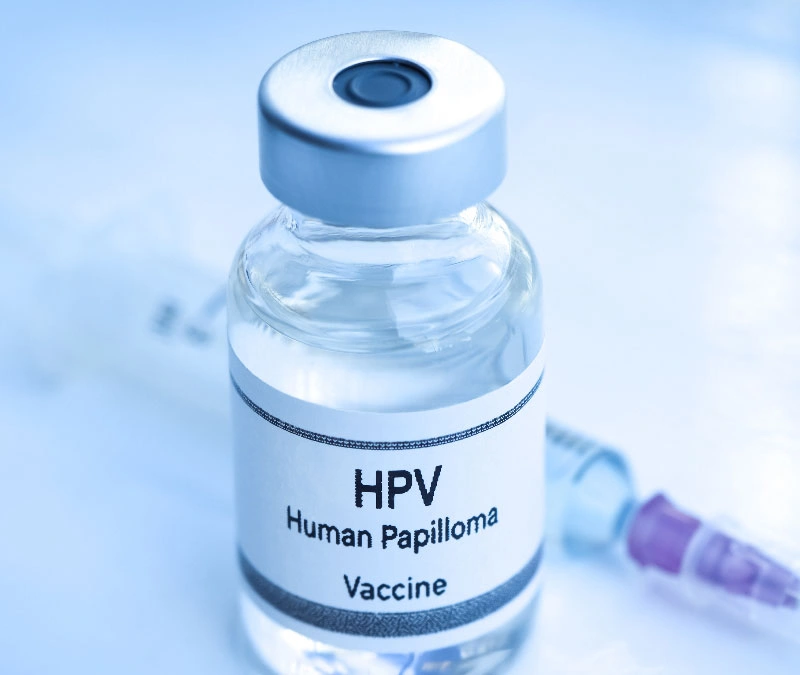
HPV vaccine: Who needs it, how it works
Human Papillomavirus (HPV) is one of the most common viral infections worldwide. While many HPV infections clear on their own, certain high-risk strains can persist and lead to serious health conditions such as cervical, anal, and throat cancers, as well as genital warts. Because HPV is primarily transmitted through sexual activity, most people are exposed to it at some point in their lives.
In most cases, the immune system can identify and eliminate HPV naturally. However, when the virus remains in the body for a long time, it can cause cellular changes that may eventually develop into cancer. That’s why prevention through vaccination is considered the most effective way to stay protected.
The HPV vaccine works by safely exposing the body to inactive virus particles. This trains the immune system to recognize and fight real HPV infections in the future—without causing any disease. Vaccinating before exposure provides strong, long-lasting protection for both men and women, significantly reducing the risk of HPV-related cancers and genital warts.
Choosing HPV vaccination is a simple, safe, and scientifically proven step toward safeguarding long-term health.
What does the HPV vaccine do?
The HPV vaccine protects against genital warts and most cases of cervical cancer. It protects against cancer of the vagina, vulva, penis or anus caused by HPV. The HPV vaccine also protects against mouth, throat, head and neck cancers caused by HPV.
Benefits of Getting the HPV Vaccine
-
Avoids HPV Transmission
Helps prevent the spread of HPV
-
Protects Against Genital Warts
Reduces the chance of genital warts.
-
Protects Against Cervical Cancer
Lowers the risk of cervical cancer.
-
Reduces Risk of Other Cancers
Guards against multiple HPV-related cancers.
-
Provides Long-Lasting Protection
Offers strong and durable immunity.
-
Boosts Herd Immunity
Protects the community through wider immunity.
-
Reduces Recurrence After Treatment
Minimizes HPV return after treatment.
Book an Appointment
Who Can Get the HPV Vaccine?
The Centers for Disease Control and Prevention (CDC) suggests routine HPV vaccination at age 11 or 12. The ideal age for vaccination is before a person is sexually active.Once a person gets HPV, the vaccine may not be as effective. That's because the vaccine's goal is to prevent a new infection. If a person has the virus, the vaccine may not help the body clear out the vaccine. Research has shown that receiving the vaccine at a young age isn't linked to an earlier start of sexual activity.People younger than age 15 can be vaccinated with two doses, 6 to 12 months apart.People who start the vaccine series later, at ages 15 through 26, should get three doses of the vaccine. These shots are given over six months.The CDC suggests catch-up HPV vaccinations for all people through age 26 who aren't fully vaccinated.-
 Symptomatic Patients
-
 High-Risk Individuals
-
 Infected Persons
-
 Concerned Individuals


Why Dr. Monga's
Dr. Monga’s Clinic is a trusted centre for HPV and other essential vaccinations, offering expert care under the supervision of a certified Infectious Disease Specialist. With over 80+ years of combined medical experience, our team ensures safe, accurate, and effective vaccination services using only verified, WHO-standard vaccines. Every patient receives comprehensive consultation, proper prescription support, and step-by-step guidance throughout the vaccination process. Our approach is completely patient-centric, focusing on comfort, clarity, and safety, supported by an integrated model of Prevention, Promotion, and Prompt Treatment. From monitoring side effects to ensuring follow-up care and treatment adherence, we provide complete support at every stage. Trusted by thousands of patients, Dr. Monga’s Clinic serves as a one-stop vaccination centre, offering HPV, Hepatitis, Flu, Typhoid, and many other vaccines—all under one roof with expert supervision.
HPV Vaccination Delhi at Dr. Monga's
Dr. Monga Clinic, Delhi NCR, has introduced a dedicated HPV Vaccination Programme to promote early protection against Human Papillomavirus (HPV)—one of the leading causes of cervical cancer, genital warts, and other HPV-related diseases in both men and women. Our clinic ensures access to safe, effective, and WHO-approved HPV vaccines, supported by expert consultation from certified doctors and infectious disease specialists. The service is available for adolescents, young adults, and all eligible individuals, ensuring timely protection and long-term health benefits.
Why HPV Vaccination Matters
- Prevents over 90% of cervical cancer cases
- Protects against multiple high-risk HPV strains
- Recommended for both girls and boys starting from age 9
- Highly effective when given before HPV exposure
- Reduces the risk of genital warts and HPV-related cancers in both males and females
Frequently asked questions (FAQ's)
-
1 What is HPV and why is vaccination important?
HPV (Human Papillomavirus) is a common virus transmitted through skin-to-skin contact. Certain strains can cause cervical, throat, anal, and genital cancers. Vaccination significantly reduces the risk of these HPV-related diseases.
-
2 Is the HPV vaccine safe?
Yes, HPV vaccines are extensively tested and recommended by WHO and national health authorities.
-
3 Are there any side effects?
Most people experience only mild side effects like pain or redness at the injection site.
-
4 How many doses are required?
2 doses for individuals aged 9-14; 3 doses for those above 15 or immunocompromised.
-
5 Can the vaccine be taken during menstruation?
Yes, the HPV vaccine can safely be taken during periods.
-
6 Can someone who is already sexually active get the vaccine?
Yes. While the vaccine is most effective before exposure to HPV, it can still offer protection against types the person hasn’t been exposed to.
-
7 What to expect after taking the HPV vaccine?
The HPV vaccine is safe and well-tolerated, but like any vaccine, mild and temporary side effects may occur. like Mild pain, swelling, or redness at the injection site, Feeling slightly tired or lightheaded, Temporary and manageable fever with fluids or Mild muscle Pain which usually goes away on its own


