

Consult an HIV specialist — usually an infectious disease specialist or a physician (MD Medicine) experienced in HIV care. They handle testing, confirm the diagnosis, start antiretroviral therapy (ART) and monitor viral load. For a possible exposure in the last 72 hours, go to any doctor or emergency department immediately for PEP — do not wait for a specialist appointment.
In this article
- The right doctor depends on your situation
- What an HIV specialist does
- HIV is a manageable long-term condition
- Early HIV symptoms: when to test
- Questions to ask your HIV doctor
- Privacy and confidentiality
- Living well with HIV
- Your first visit: what to expect
- Government ART centre or private HIV doctor?
- How to find an HIV doctor near you
- HIV care for partners and families
- Frequently asked questions
01The right doctor depends on your situation
- Exposure in the last 72 hours (condom broke, unprotected sex, needle-stick): any doctor or emergency department now for PEP.
- Worried about a past exposure or symptoms: an HIV/STD doctor for the right test at the right time.
- Reactive or positive test: an HIV specialist or infectious disease physician to confirm and start ART.
- Living with HIV: continuing care with your HIV doctor or government ART centre, plus specialists for other conditions.
- Repeated risk: an HIV doctor to discuss PrEP.
02What an HIV specialist does
An HIV specialist is trained in infections and antiretroviral medicines. Their job covers:
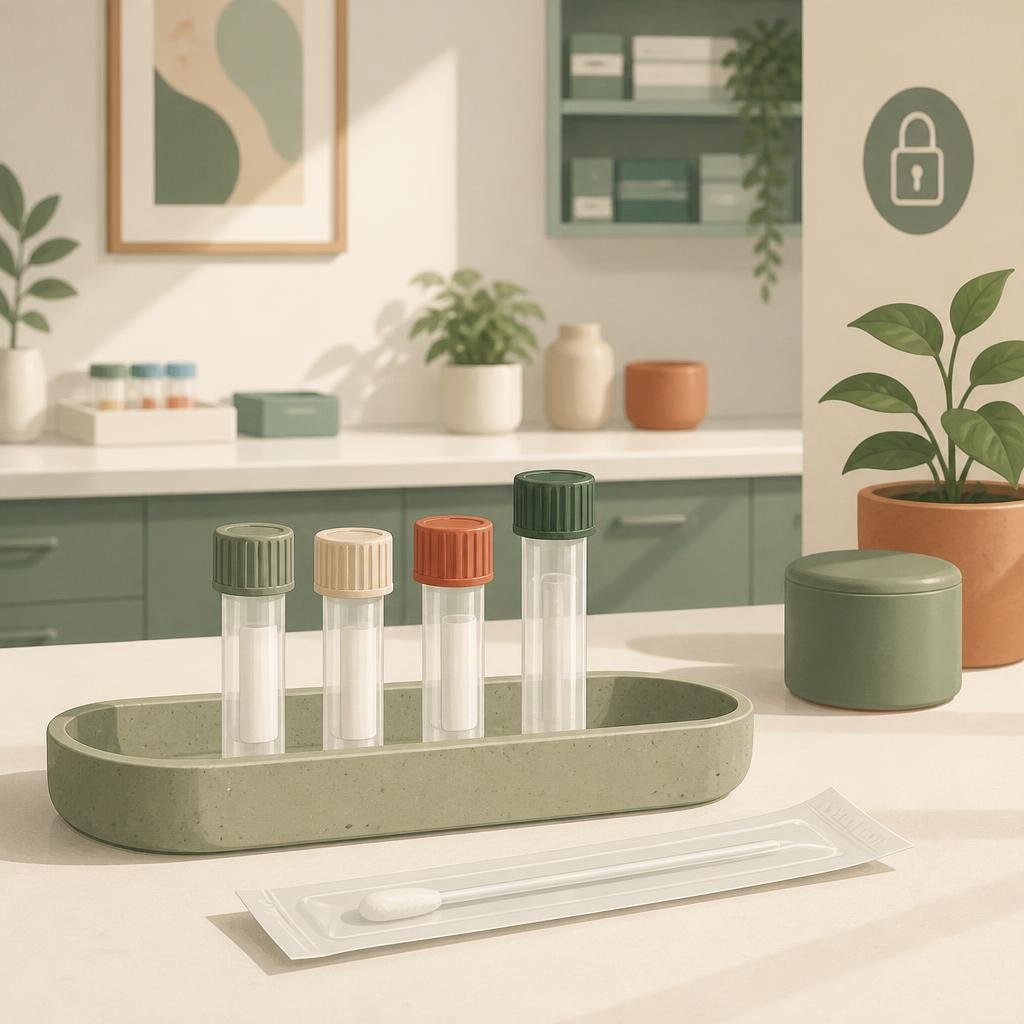
- Choosing the correct test — 4th-generation antigen/antibody test, NAT/RNA test or rapid test — based on when the exposure happened.
- Confirming a positive result with additional tests before giving a diagnosis.
- Starting ART, usually a once-daily tablet combination.
- Monitoring CD4 count and viral load, kidney and liver function.
- Screening for TB, hepatitis B and C, and other STDs.
- Counselling on disclosure, partners, pregnancy planning and mental health.
Dr. Yuvraj Monga, MBBS, MD, with a fellowship in infectious disease, provides confidential HIV 1 and 2 treatment in Delhi NCR and online.
03HIV is a manageable long-term condition
With daily ART, most people reach an undetectable viral load within about six months. At that point the virus cannot be passed on through sex — known as Undetectable = Untransmittable (U=U) — and life expectancy is close to normal. The key is starting treatment early and not missing doses.
There is still no cure that removes HIV from the body; read our honest guide can HIV be cured? before trusting any "15-day cure" claim.
04Early HIV symptoms: when to test
Two to four weeks after infection, some people get a flu-like illness — fever, sore throat, body aches, rash, swollen glands or mouth ulcers. Many people have no symptoms at all. Symptoms alone cannot confirm or rule out HIV; only a test can. If you had a risk and develop these symptoms, ask an HIV doctor for a 4th-generation test or an HIV RNA test, because routine antibody tests can miss very early infection. Our guide where to get tested for STDs and HIV explains window periods in detail.
05Questions to ask your HIV doctor
- Which test is right for the time since my exposure, and when should I repeat it?
- If I am positive, which ART regimen will I take, and what side effects should I watch for?
- How often will I need viral load and CD4 tests?
- How do I protect my partner, and should my partner be tested or take PrEP?
- Can I plan a pregnancy safely?
- What should I do if I miss doses or travel?
A good HIV doctor answers these patiently and gives you a direct way to reach them between visits.
06Privacy and confidentiality
HIV status is sensitive personal health information. In India, the HIV and AIDS (Prevention and Control) Act, 2017 protects people living with HIV against discrimination and requires informed consent for testing and confidentiality of results. At our clinic, reports are shared only with you, consultations happen one-to-one, and online consultations can be done without your employer or family knowing. If confidentiality is your main worry, say so at the start — the doctor will explain exactly how your information is stored.
07Living well with HIV
Beyond tablets, long-term health depends on not smoking, keeping a healthy weight, regular exercise, vaccinations such as hepatitis B, cancer screening, and caring for mental health. People on effective ART work, marry, have children and live full lives. Regular follow-up with the same doctor makes all of this easier.
08Your first visit: what to expect
- A private conversation about the exposure, symptoms and previous tests.
- The right test chosen by timing. If you are within the window period, the doctor explains when a repeat test is needed.
- If HIV is confirmed: baseline CD4, viral load, kidney and liver tests, hepatitis and TB screening.
- Starting ART — often on the same day or within a few days.
- A follow-up schedule and a direct line for questions about side effects.
09Government ART centre or private HIV doctor?
Government ART centres provide free medicines and tests under NACO, and they are an excellent option. Some people prefer a private doctor for shorter waiting, flexible timings, one-to-one counselling and greater privacy. Many patients combine both. Whatever you choose, never stop ART without talking to your doctor.
If you live outside Delhi NCR, our HIV-focused site peptreatmentforhiv.com lists teleconsultation options across India.
10How to find an HIV doctor near you
Look for a doctor with MD Medicine or infectious disease training, clear explanations and strict confidentiality. In Delhi NCR you can consult us at Lajpat Nagar 4, Dwarka Sector 9 or DLF Phase 4 Gurugram — or online. Area pages such as HIV specialist in New Delhi show the nearest clinic.
11HIV care for partners and families
When one partner is diagnosed, the other should be tested as soon as possible. If the test is negative, PrEP and condoms protect them until the positive partner reaches an undetectable viral load. Couples who want children can plan a pregnancy safely with medical guidance, and babies born to mothers on effective ART very rarely acquire HIV. Children and adolescents living with HIV need a doctor who adjusts doses with growth and supports disclosure at the right age. An HIV specialist coordinates all of this, so the whole family gets consistent advice instead of fragments from different places.
?What people also search
Real questions patients type into Google about this topic. Each opens our detailed treatment page.
FAQFrequently asked questions
Which specialist treats HIV?
An infectious disease specialist or an MD Medicine physician experienced in HIV care. Government ART centres also provide specialist-supervised treatment.
Can a general physician treat HIV?
A physician can test and refer, but long-term ART and monitoring are best handled by a doctor experienced in HIV medicine.
Is HIV treatment free in India?
Yes, ART is free at government ART centres. Private consultations are paid; HIV & STD consultation at our clinic is ₹2,000.
How soon should I start ART?
As soon as possible after diagnosis, often the same week. Early treatment protects your immune system and partners.
Can I consult an HIV doctor online?
Yes. Initial counselling, test planning and many follow-ups can be done online. WhatsApp +91 70424 24269.
How long after exposure should I get an HIV test?
A 4th-generation test is reliable from about 6 weeks, with a final check at 3 months. An RNA test can detect infection earlier, from about 10–14 days.
Does HIV treatment have side effects?
Modern ART is well tolerated. Some people have mild nausea, headache or sleep changes in the first weeks. Your doctor monitors kidney and liver function and can switch medicines if needed.
Can I stop ART once my viral load is undetectable?
No. Stopping ART lets the virus rebound. Undetectable means the medicine is working, so it must be continued every day.
iMedical sources
External links are for further reading and do not replace advice from a qualified health professional.
This guide is general health information, not a diagnosis or personal treatment plan. For emergencies, go to the nearest hospital.
 HIV & STD
 HIV & STD
 Sexual health