
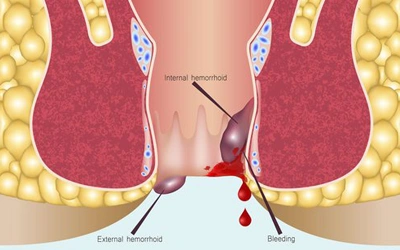
Piles, fissure and fistula treatment in Delhi NCR should begin with diagnosis because symptoms overlap. Rectal pain, bleeding, itching or discharge can have several causes, so an examination matters before choosing treatment. The clinic discusses care for piles, fissure and fistula, including Kshar Sutra where clinically appropriate; suitability and outcomes vary.
On this page
- Piles, fissure and fistula treatment starts with diagnosis
- Kshar Sutra: ask about the details
- Bowel habits and recovery
- Explore the guides
- Bleeding is a symptom, not a diagnosis
- What an assessment may involve
- Start with practical bowel-habit questions
- Discuss Kshar Sutra as one possible procedure
- Ask about costs and aftercare before deciding
- Know which symptoms should not wait
- In-depth guides
- Frequently asked questions
01Piles, fissure and fistula treatment starts with diagnosis
Symptoms can overlap. A clinician may ask about bleeding, pain, bowel habits and duration, and recommend examination or investigations. Significant bleeding, fever, severe pain or feeling faint needs urgent medical attention.
02Kshar Sutra: ask about the details
Kshar Sutra is a procedure involving a medicated thread used in selected anorectal conditions. Ask what diagnosis it is proposed for, alternatives, likely follow-up, discomfort, risks and recovery. The method is not suitable for everyone and cannot guarantee a cure.
03Bowel habits and recovery
A care plan may include individualized advice about hydration, fibre, movement and avoiding straining. Follow the treating clinician’s instructions after any procedure; worsening pain, fever or heavy bleeding warrants urgent assessment.
04Explore the guides
Our detailed Kshar Sutra guide covers procedure questions and recovery considerations. A second guide explains what a sentinel pile is and why it may occur.
05Bleeding is a symptom, not a diagnosis
Bright red blood, itching, a lump, pain or discharge can arise from different anorectal conditions. A clinician may ask about bowel habits, duration, medicines and other symptoms, then recommend an examination. Do not assume rectal bleeding is piles, especially if it is new, recurrent or accompanied by weight loss or a change in bowel habits.
06What an assessment may involve
The assessment can include questions about pain, bleeding, bowel movements and prior treatment. Depending on symptoms, a clinician may perform an examination or recommend further investigation. Ask what each step is for, whether it is urgent and how results will guide the plan. You may request an explanation before any examination.
07Start with practical bowel-habit questions
Depending on your health and clinician advice, adequate fluids, gradual fibre intake, regular movement and avoiding prolonged straining may support bowel habits. These measures do not replace assessment for persistent symptoms. If you have a condition that limits fluids or fibre, ask the treating clinician before making a major change.
08Discuss Kshar Sutra as one possible procedure
Kshar Sutra involves a medicated thread and may be discussed for selected anorectal diagnoses. Ask which condition it is proposed for, what evidence and alternatives are relevant, how follow-up works, what discomfort or complications may occur and what recovery can involve. Suitability depends on diagnosis and individual circumstances; a result cannot be guaranteed.
09Ask about costs and aftercare before deciding
The clinic has not confirmed fees for this service. Request an itemized explanation of consultation, investigations, medicines, procedures and follow-up before agreeing to care. Ask whom to contact if pain, fever, discharge or bleeding worsens after a procedure. Keep written instructions and attend planned follow-up.
10Know which symptoms should not wait
Heavy bleeding, fainting, severe or rapidly worsening pain, fever, weakness or feeling very unwell can require urgent assessment. Seek urgent medical care instead of waiting for a routine appointment. If symptoms are mild but continue or recur, arrange a non-emergency clinical review to confirm the cause.
FAQFrequently asked questions
Does every piles or fistula case need Kshar Sutra?
No. Treatment depends on diagnosis, anatomy, severity and personal circumstances. Discuss options and risks with a qualified clinician.
Is there a female piles doctor?
The clinic has not confirmed this service information. Please contact the clinic directly with any clinician preference.
What should I do about heavy rectal bleeding?
Seek urgent medical care, especially if bleeding is heavy, accompanied by dizziness, weakness, severe pain or fever.
Can I assume rectal bleeding is caused by piles?
No. Bleeding can have several causes. Seek assessment, especially if it is recurrent, heavy or accompanied by other changes.
Is Kshar Sutra appropriate for every fistula?
No procedure suits everyone. A clinician should confirm the diagnosis and discuss alternatives, risks, follow-up and recovery.
What should I ask before agreeing to a procedure?
Ask why it is recommended, what alternatives exist, expected recovery, potential complications, follow-up requirements and the full cost.
How can I confirm current clinic fees?
Fees for this service have not been confirmed here. Call 80109 31122 to ask about consultation, tests, procedures and follow-up costs.
iMedical sources
External links are for further reading and do not replace advice from a qualified health professional.
This page is general health information, not a diagnosis or personal treatment plan. For emergencies, go to the nearest hospital.
 Digestive & colorectal health
 Digestive & colorectal health
 Digestive & colorectal health
 Digestive & colorectal health