
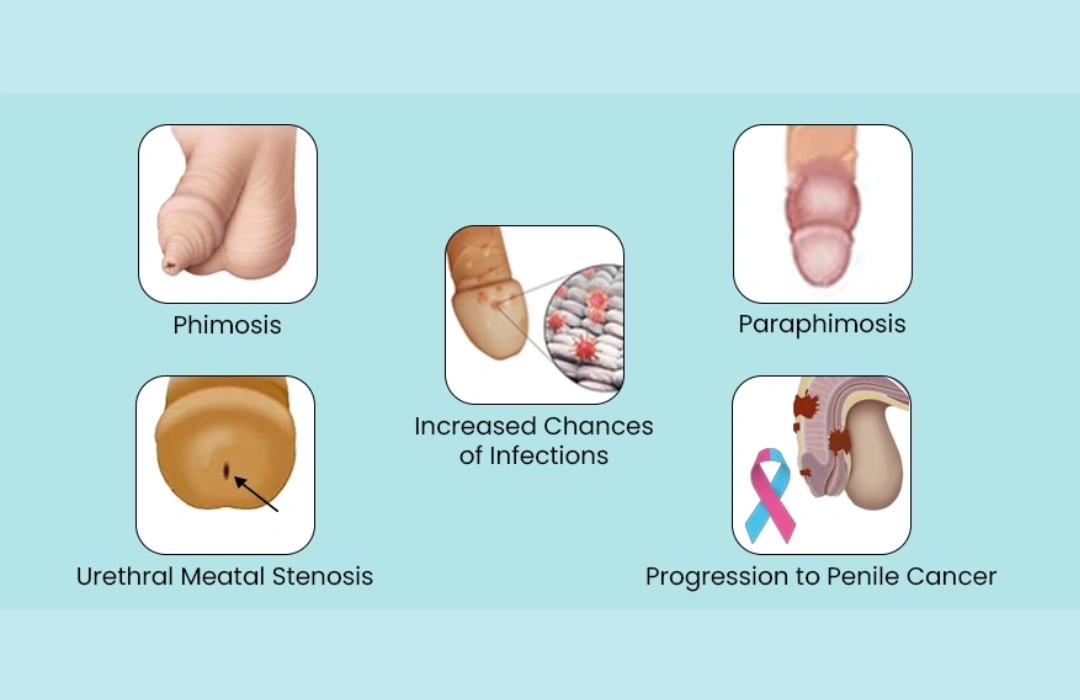
Phimosis treatment in Delhi NCR starts with understanding symptoms, age and possible causes. Phimosis means the foreskin cannot be pulled back comfortably over the head of the penis. The right approach depends on symptoms, age, examination and cause; a confidential consultation can discuss options without assuming surgery is needed.
On this page
- Phimosis treatment in Delhi NCR: assessment first
- Treatment is individual
- When to seek urgent care
- A private, practical visit
- Age and symptoms change the assessment
- What to ask about non-surgical care
- When a procedure may enter the discussion
- Prepare a useful symptom history
- Follow-up and urgent warning signs
- Consultation fee and appointment details
- In-depth guides
- Frequently asked questions
01Phimosis treatment in Delhi NCR: assessment first
A clinician can ask about pain, recurrent inflammation, urinary symptoms and how long the tightness has been present. Examination helps distinguish a naturally non-retractile foreskin in a child from symptomatic tightness in an older adolescent or adult. Do not force retraction.
02Treatment is individual
Depending on the cause and severity, care may include gentle hygiene advice, clinician-directed topical treatment, or discussion of a procedure. Benefits, limitations and risks should be reviewed before deciding. No single approach suits everyone.
03When to seek urgent care
Seek urgent medical care if the foreskin is trapped behind the glans and cannot return forward, particularly with swelling or severe pain. This can be paraphimosis and is an emergency. For other persistent symptoms, arrange a non-urgent assessment.
04A private, practical visit
Consultations are available at Lajpat Nagar, Dwarka and Gurugram. The consultation fee is ₹800. Integrated Ayurvedic and allopathic care is discussed with a personalized plan; nutrition and exercise support may be included where relevant.
05Age and symptoms change the assessment
A foreskin that does not retract fully can be a normal developmental finding in a young child. A clinician considers age, pain, scarring, inflammation, urinary symptoms and whether the tightness is new or longstanding. A child’s foreskin should never be forcibly retracted for cleaning or examination. In adults, new tightness or repeated symptoms deserves a clinical review rather than a self-diagnosis.
06What to ask about non-surgical care
Depending on the examination, a clinician may discuss gentle hygiene, observation or a prescribed topical medicine. Ask how to use any prescribed treatment, for how long, what improvement to expect and which side effects should prompt a call. Do not use steroid creams, antibiotics or home remedies without guidance. A non-surgical option is not suitable for every cause of tightness.
07When a procedure may enter the discussion
A procedure may be considered when symptoms are persistent, scarring is present, inflammation keeps returning or urination is affected. The decision should follow an assessment and a discussion of alternatives, expected recovery, possible complications and the limits of treatment. Ask whether a second opinion is reasonable. No page can determine whether a particular person needs surgery.
08Prepare a useful symptom history
Before an appointment, note when the tightness began, whether it changes, any pain or skin cracking, episodes of redness or discharge, urinary symptoms and treatments already tried. For a child, bring prior relevant records and describe any changes without repeatedly testing retraction. Share medicines and allergies so the clinician can consider them when discussing options.
09Follow-up and urgent warning signs
Follow the plan agreed with the treating clinician and arrange review if symptoms do not improve or return. A foreskin trapped behind the glans that cannot be brought forward, especially with swelling or severe pain, may be paraphimosis and requires emergency care. Inability to urinate is also urgent. Do not wait for an online response or routine clinic callback for these symptoms.
10Consultation fee and appointment details
The confirmed consultation fee for phimosis is ₹800. Call the appointment line to confirm the current location, appointment availability and what to bring. The fee does not imply that a procedure, test or medicine is included. Any additional costs should be discussed with the clinic before care is arranged.
FAQFrequently asked questions
Does phimosis always need surgery?
No. Treatment depends on symptoms and examination. Some cases can be managed without an operation; others may benefit from a procedure.
Can tight foreskin be treated without surgery?
Some cases have non-surgical options, but suitability depends on cause and severity. Read our guide to phimosis treatment without surgery.
What is the consultation fee?
The consultation fee is ₹800. Call the appointment line to ask about arranging a visit.
Should a child’s foreskin be pulled back to clean underneath?
No. Wash the outside gently and do not force retraction. A clinician can advise if a child has pain, repeated inflammation or urinary symptoms.
Does a non-retractile foreskin always mean phimosis?
No. In children, limited retraction may be part of normal development. Age, symptoms and examination help distinguish this from problematic tightness.
Is a prescription cream always enough?
No. Treatment depends on the cause and severity. Use prescription treatment only as directed after an assessment, and ask when to return for review.
What is the confirmed consultation fee?
The phimosis consultation fee is ₹800. Call to confirm appointment availability and ask whether any separate tests or procedures would cost extra.
iMedical sources
External links are for further reading and do not replace advice from a qualified health professional.
This page is general health information, not a diagnosis or personal treatment plan. For emergencies, go to the nearest hospital.
 Men's health
 Men's health
 Men’s health
 Men’s health
 Men’s health
 Men’s health